A Different Side of Kyiv
Kyiv is a city of contrasts.
Modern cafés sit beside centuries-old churches. Wide boulevards open suddenly into quiet parks. Brutalist architecture stands not far from ornate Baroque buildings, while the Dnipro stretches across the city like a natural border between different eras.
And then there is Kyiv Pechersk Lavra.
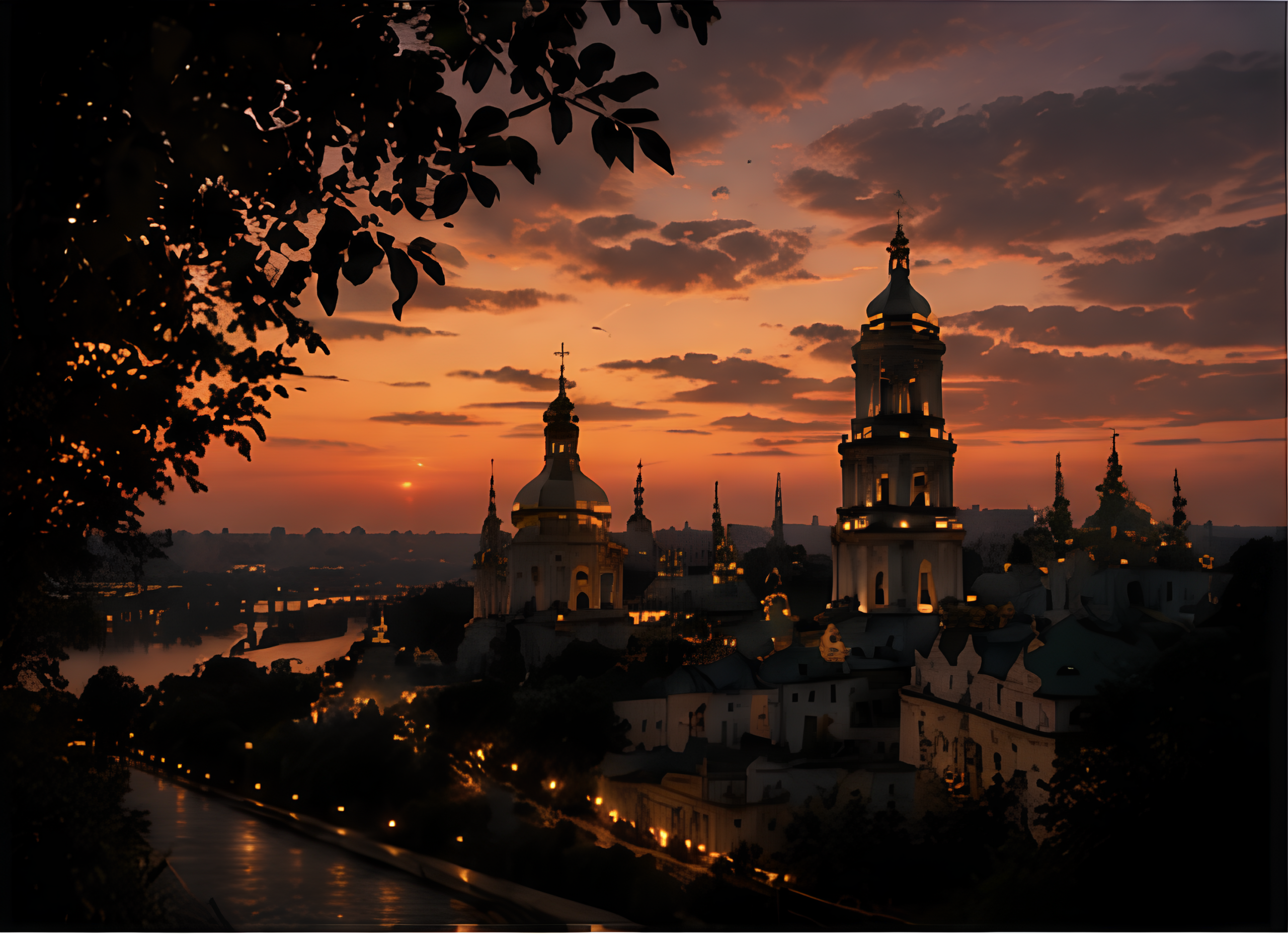
Located on the hills overlooking the Dnipro, the Lavra is one of those places where the atmosphere changes almost immediately after you enter. The noise of the city begins to disappear. The streets give way to courtyards, churches, gardens and monumental walls. Above everything rise the famous golden domes.
But the Lavra is much more than a beautiful collection of churches.
It is a place where almost a thousand years of Kyiv’s history can be felt within a relatively small area.
Almost a Thousand Years of History
The history of the Kyiv Pechersk Lavra goes back to the 11th century, when monks began settling in caves on the hills above the Dnipro.
The name itself comes from the Ukrainian word pechera, meaning cave.
According to tradition, the first monks lived and prayed in underground passages dug into the hills. One of the most important figures in the early history of the monastery was Anthony of the Caves, who helped establish the monastic community.
Over the centuries, the small cave monastery developed into one of the most important religious and cultural centers of Eastern Europe.
Monks copied manuscripts, produced religious art, developed education and preserved written records. The monastery became closely connected with the intellectual and spiritual development of medieval Kyiv.
Wars, invasions, fires and political changes repeatedly transformed the complex, but the Lavra continued to evolve.
Today, walking through its grounds means moving through different chapters of Kyiv’s history at the same time.
The Golden Domes
The first thing most visitors notice is the architecture.
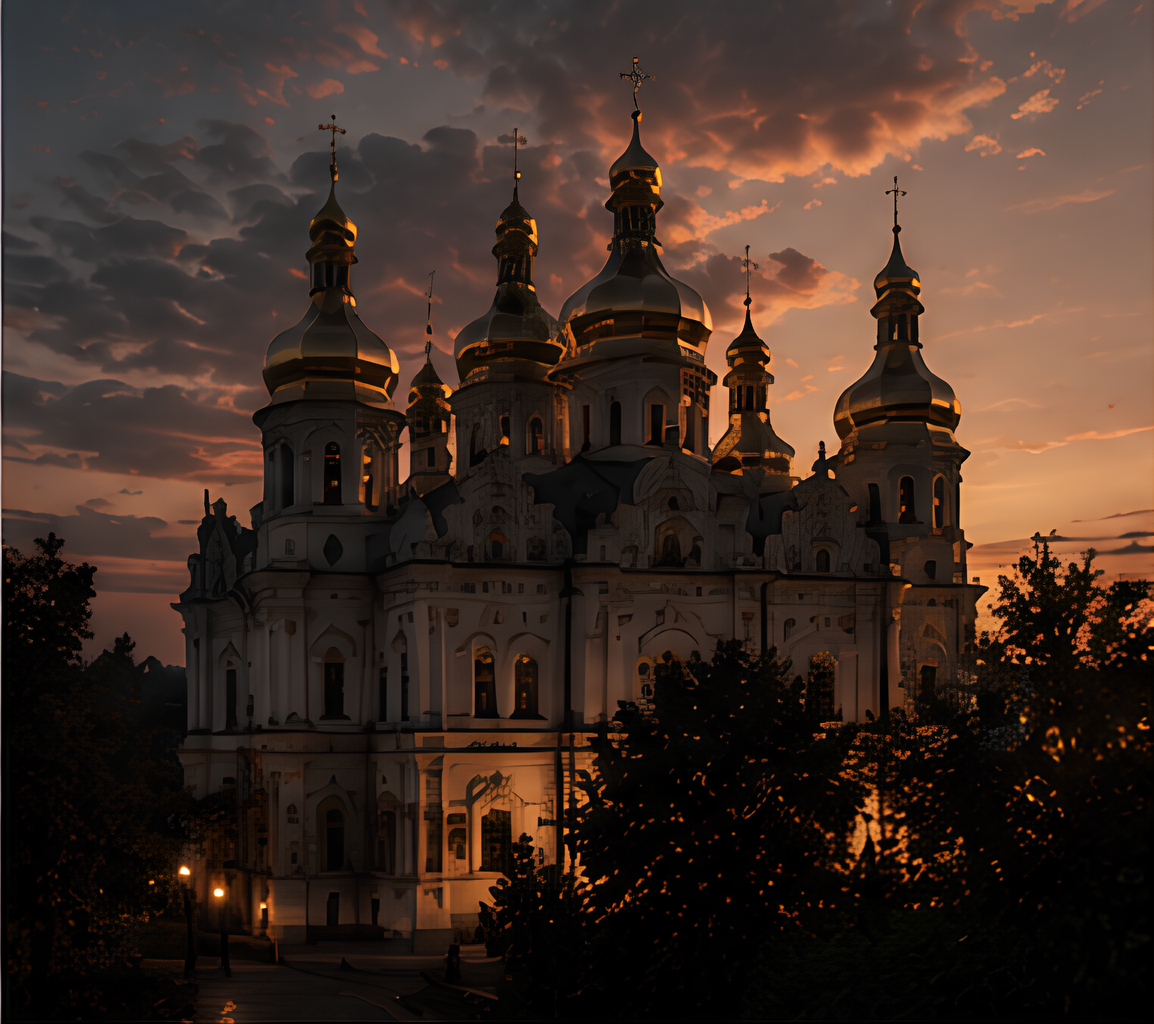
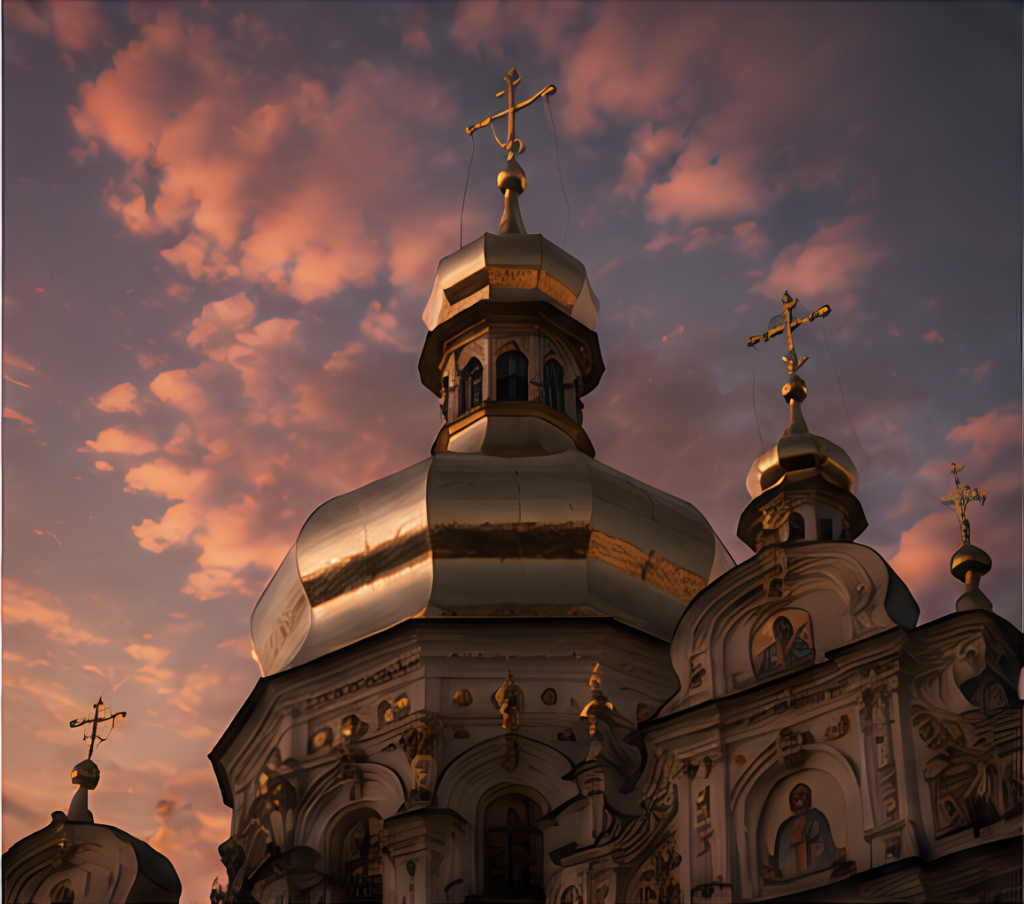
The Lavra’s skyline is dominated by golden domes that catch the sunlight from almost every direction. Against the blue Ukrainian sky, they create one of the most recognizable views in Kyiv.
Many of the buildings visible today reflect the Ukrainian Baroque tradition that became particularly influential in the 17th and 18th centuries.
The architecture is dramatic without feeling completely disconnected from its surroundings. White walls, elaborate decorations and golden details contrast beautifully with the greenery of the monastery grounds.
For photographers, this creates endless compositions.
Look up from one of the courtyards and you can frame a golden dome against the sky. Walk between the buildings and the perspective changes completely. From higher points of the complex, the architecture can be seen together with the hills and distant city.
The Lavra is one of those places where simply walking around with a camera can easily turn into an entire afternoon.
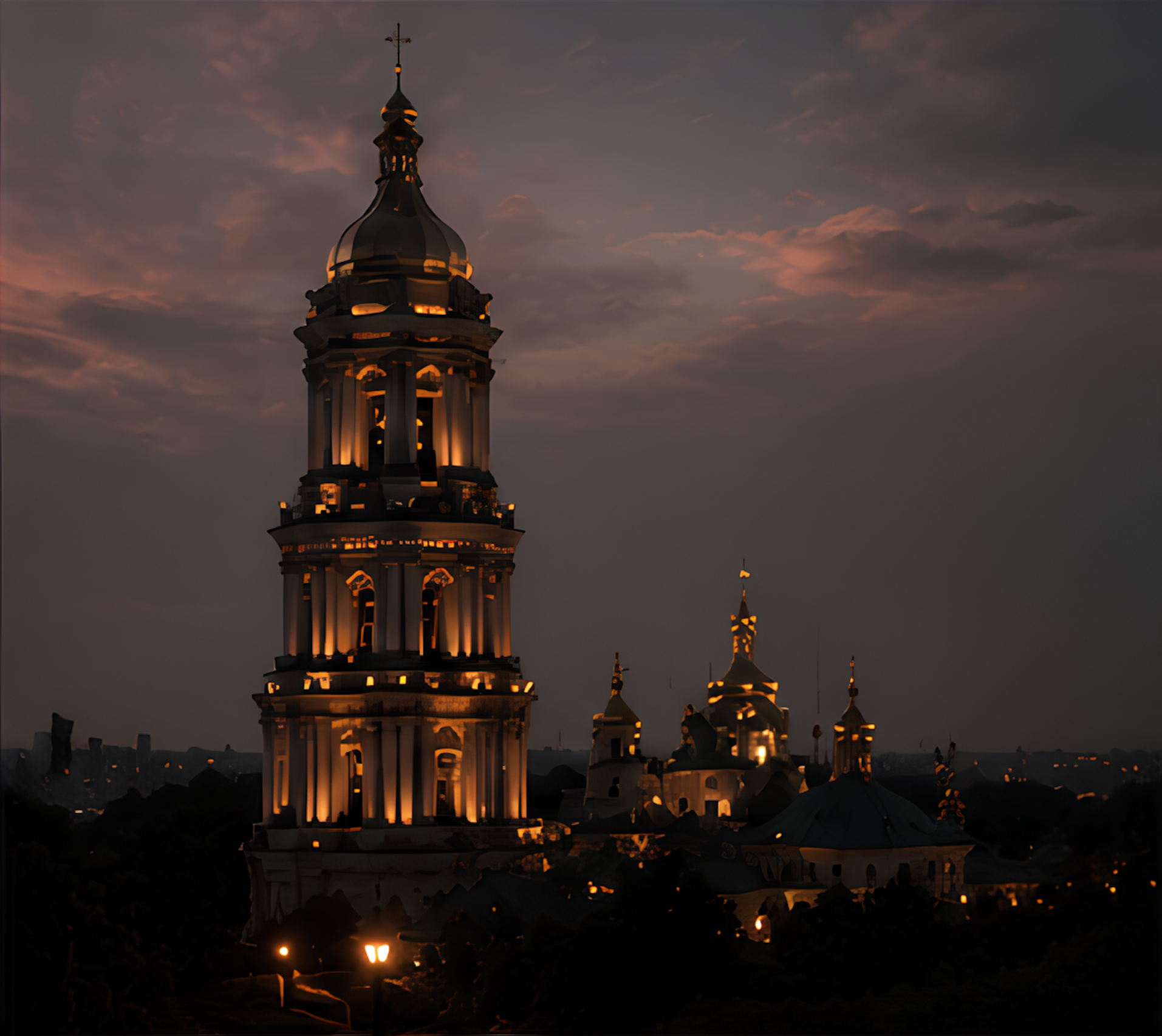
The Great Lavra Bell Tower
One of the most impressive structures in the complex is the Great Lavra Bell Tower.
Built in the 18th century, the tower rises dramatically above the surrounding buildings and became one of the defining elements of the Kyiv skyline.
For centuries, the bell tower served not only a religious function but also acted as an important visual landmark. Its height made it visible from far across the city.
Standing beneath it gives you a sense of just how monumental the Lavra was intended to be.
The scale is almost surprising.
The churches and buildings surrounding it suddenly seem smaller, while the tower rises above the entire complex like a vertical axis connecting the monastery with the sky.
The Dormition Cathedral
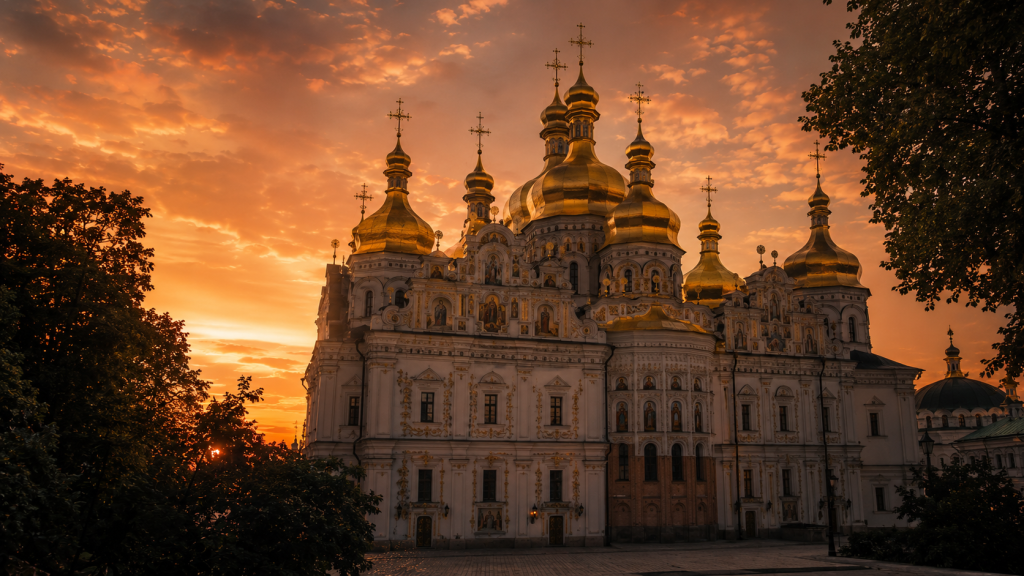
At the heart of the Lavra stands the Dormition Cathedral, one of its most important religious buildings.
The cathedral has had a complicated history. The original structure was built centuries ago, but the building was destroyed during World War II. It was reconstructed in the following decades, preserving the cathedral’s importance within the architectural ensemble.
The cathedral’s golden domes are among the most recognizable sights in the Lavra.
Yet the most interesting part is perhaps not simply how the cathedral looks.
It is what the building represents.
For centuries, the cathedral was at the center of religious life at the monastery, surrounded by other churches, monastic buildings and courtyards. It remains one of the places that best communicates the scale and importance of the Lavra.
The Underground Caves
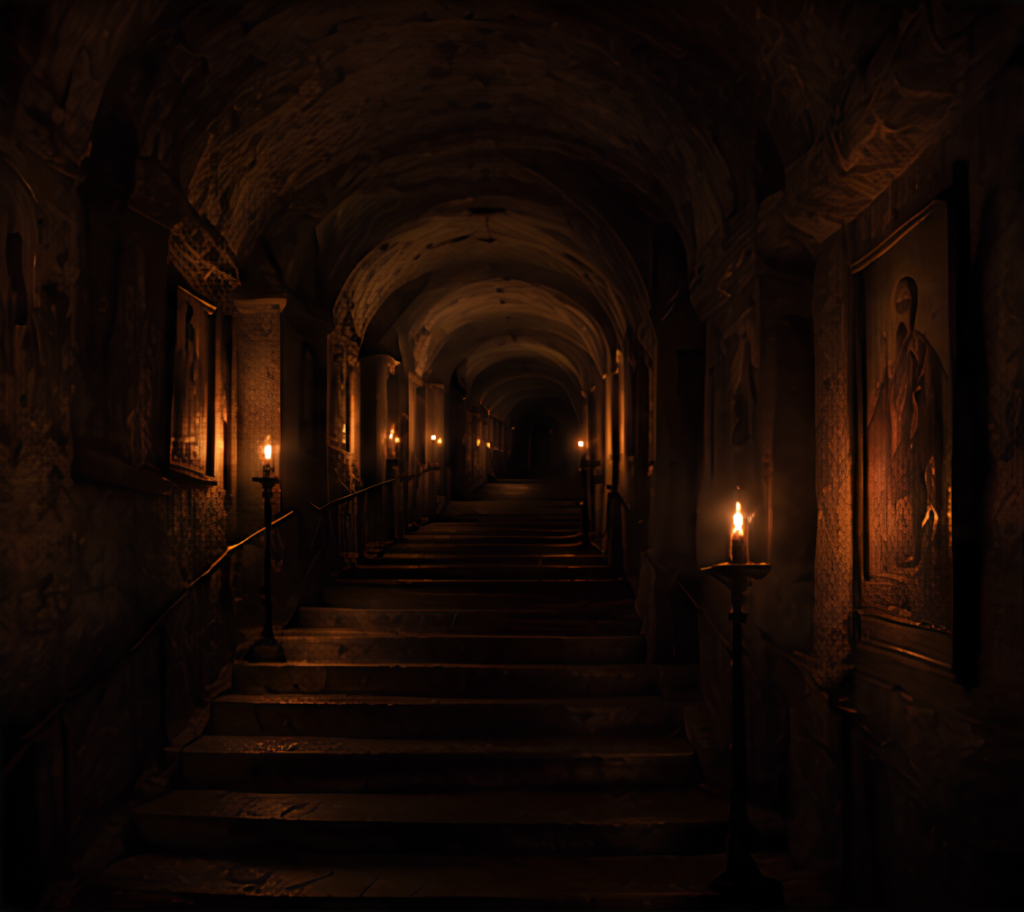
Then there is the part of the Lavra that exists beneath the surface.
The Near and Far Caves are among the most fascinating and mysterious parts of the complex.
These underground passages were originally used by monks who lived, prayed and were eventually buried there.
The caves are narrow and quiet, creating an atmosphere completely different from the monumental architecture above ground.
As you walk through the underground corridors, you are surrounded by centuries of religious history. Small chapels, ancient passages and burial places create an experience that feels intimate compared with the enormous churches outside.
The caves are also one of the reasons the Lavra feels so different from a typical historical monument.
Above ground, everything is monumental.
Below ground, everything becomes quiet and enclosed.
It is almost as if the Lavra has two completely different personalities.
More Than a Religious Landmark
It is easy to look at the Lavra simply as a beautiful monastery.
But its historical importance goes much further.
For centuries, the monastery was an important center of education, literature, printing and culture.
The monks who lived here were involved in copying and preserving manuscripts, documenting historical events and developing religious and intellectual traditions.
The Lavra also became associated with the development of printing in Kyiv.
One of the most important cultural figures connected with the monastery was Petro Mohyla, a major religious and educational figure of the 17th century who played an important role in the development of education in Kyiv.
This cultural history is easy to miss if you visit only for the architecture.
The golden domes are spectacular, but they are only the visible layer of a much deeper story.
The Best Time to Visit
If you want to experience the Lavra at its most atmospheric, go early in the day.
Morning light is beautiful for photography, and the complex tends to feel calmer before the busiest part of the day.
Another good option is late afternoon, especially if you enjoy warm, cinematic photography.
Give yourself at least a couple of hours.
There is enough to see that a quick 30-minute visit can feel rushed.
And if you want to explore the caves, churches and surrounding areas properly, you can easily spend much longer.
What to See Around the Lavra
The Lavra is located in one of Kyiv’s most interesting historic areas, so it makes sense to combine your visit with other nearby sights.
After exploring the monastery, continue walking through the Pechersk district.
You can combine the Lavra with:
The Motherland Monument — one of Kyiv’s most recognizable landmarks and a huge piece of Soviet-era monumental architecture.
National Museum of the History of Ukraine in the Second World War — located near the Motherland Monument and offering a deeper look into Ukraine’s wartime history.
Mariinskyi Park — a beautiful green area with walking paths and views toward the Dnipro.
This turns the Lavra into more than a single sightseeing stop — it can become part of an entire day exploring Kyiv’s hills.
Kyiv from Above
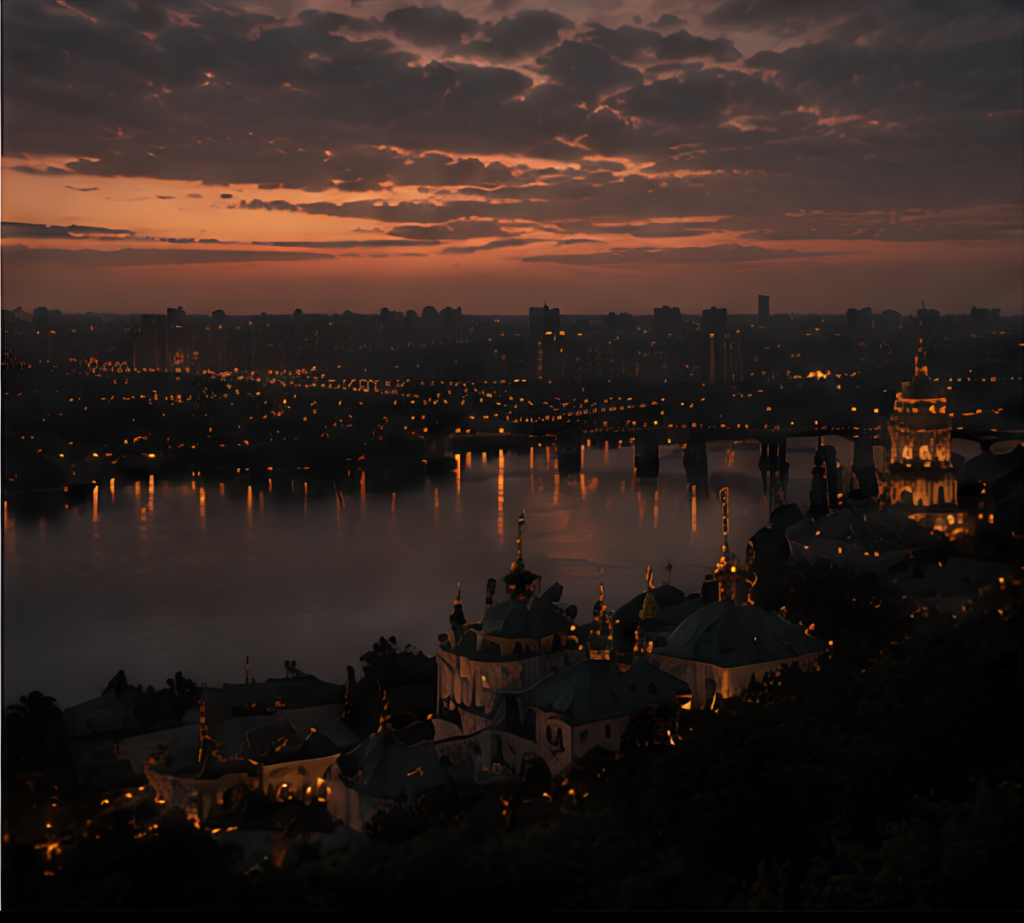
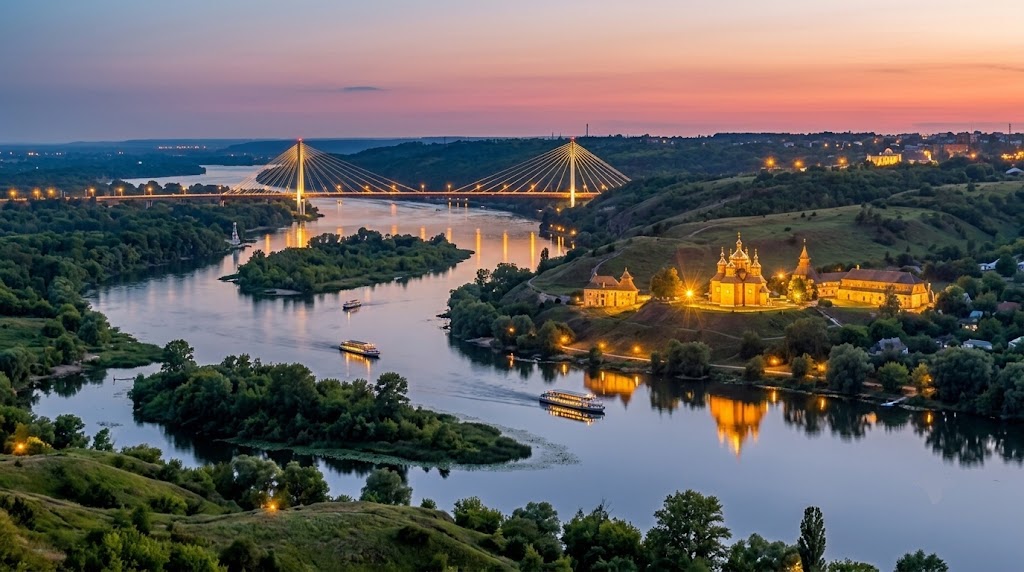
One of the most beautiful things about the Lavra is its relationship with the landscape.
The monastery was built on the high hills above the Dnipro, and this location was not accidental.
The elevated position gives the complex a sense of openness while also creating dramatic views over the city.
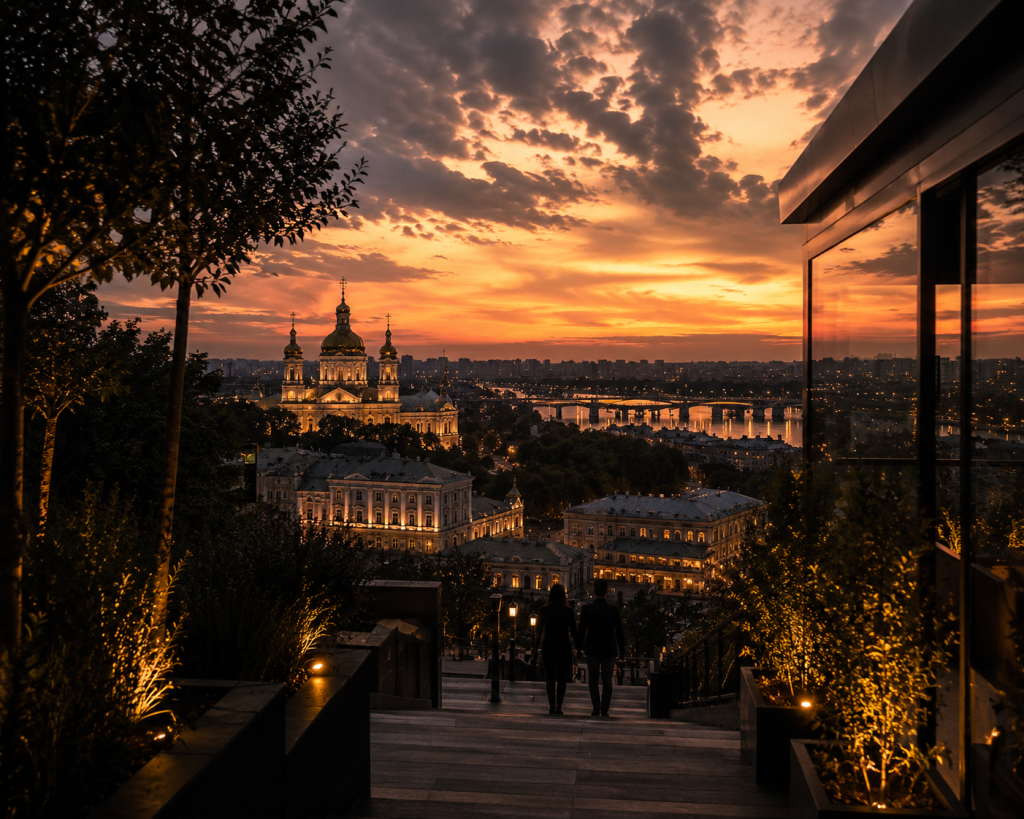
From different points around the area, you can see Kyiv stretching across the hills and toward the river.
This is particularly beautiful around sunset.
The city becomes softer, the architecture begins to glow, and the golden domes catch the last light of the day.
It is one of those moments when the Lavra stops feeling like a museum or tourist attraction and starts feeling like part of Kyiv itself.
A Place That Rewards Slow Travel
The biggest mistake would be to treat Kyiv Pechersk Lavra as another item to check off a sightseeing list.
Its scale and history deserve more time.
Come here without a strict plan.
Walk through the courtyards.
Look at the architecture.
Go underground into the caves.
Find a quiet corner.
Watch the city from the hills.
Take photographs, but also put the camera away for a few minutes.
The Lavra is a place where the atmosphere is just as important as the individual sights.
Kyiv Pechersk Lavra on Your Kyiv Itinerary
For a first trip to Kyiv, the Lavra should be high on your list.
It combines almost everything that makes the city fascinating: history, architecture, religion, culture, photography and spectacular views.
But its real charm comes from the contrast between all of these things.
You can stand beneath a monumental golden dome and then walk into a narrow underground cave.
You can photograph an enormous bell tower and then find yourself in a quiet courtyard surrounded by trees.
You can look at buildings that have survived centuries of history and then see modern Kyiv stretching out beyond them.
That contrast is what makes the Lavra unforgettable.
If You Only Have One Day in Kyiv
If your time in Kyiv is limited, consider combining the Lavra with the Motherland Monument and Mariinskyi Park.
Start your morning at the Lavra, spend several hours exploring the complex, then walk or continue toward the surrounding Pechersk landmarks.
Finish the day somewhere with a view of the Dnipro as the city lights begin to appear.
It is a perfect introduction to Kyiv — ancient, monumental, green, dramatic and surprisingly peaceful.